We were recently asked, “Is it is required to have a third-party perform OSHA inspections on cranes?” and thought the response was worth sharing with others.
Our answer was: “OSHA is very clear that cranes must receive inspections on a regular basis and under various circumstances, and these inspections must be performed by either competent or qualified persons. However, there is no mention in U.S. Federal OSHA for cranes operating in a construction environment or general industry environment that requires this person to be a third-party inspector.”
While this seems to be a straight forward question and response, we found that in just one answer there were several areas that needed clarification. As a result, we developed these four points regarding inspections and the qualifications of the personnel performing them.
1. Know What Inspections Are Required
There are many other types of inspections required by OSHA under 29 CFR 1926 Subpart CC. These are as follows:
- Modified Equipment Inspection – inspected by a qualified person
- Repaired/Adjusted Equipment Inspection – inspected by a qualified person
- Post Assembly Inspection – inspected by a qualified person
- Shift Inspection – inspected by a competent person
- Monthly Inspection – inspected by a competent person
- Annual Inspection – inspected by a qualified person
- Severe Service Inspection – inspected by a qualified person
- Equipment not in regular use Inspection (idle for 3 months or more) – inspected by a qualified person
And then there is the Wire Rope Inspection that has 3 different types of inspections, they are:
- Shift Inspection – inspected by a competent person
- Monthly Inspection – inspected by a competent person
- Annual Inspection – inspected by a qualified person
2. Know the Difference in Inspectors
Just looking at the lists above, there are clearly two different types of persons who can provide inspections: Competent and Qualified.
According to OSHA “competent person” is defined as “one who is capable of identifying existing and predictable hazards in the surroundings or working conditions which are unsanitary, hazardous, or dangerous to employees, and who has authorization to take prompt corrective measures to eliminate them.”
A “qualified person” means “a person who, by possession of a recognized degree, certificate, or professional standing, or who by extensive knowledge, training and experience, successfully demonstrated the ability to solve/resolve problems relating to the subject matter, the work, or the project.”
3. Understand the Process
First and foremost, only employers can deem employees as competent or qualified. Not a training provider, not a individual, not the employee themselves. The company is responsible for assigning this title.
In most cases companies are able to appoint a competent person. This person needs to have in-depth knowledge of the subject matter (i.e. being able to spot concerns or identify issues) and the authorization to do something about the findings. As mentioned in our What is Your First Line of Defense? article, in the case of pre-shift crane inspections, the competent person may be the crane operator, but they might not be.
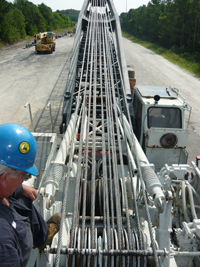 A qualified person will be someone with a higher level of knowledge and experience of the subject matter. In order for an employer to justifiably qualify an employee as a qualified inspector they must have the following DOCUMENTED:
- inspector training,
- testing, and
- inspection experience.
There is also an option of obtaining the NCCCO Mobile Crane Inspector certification, which is the best credential available in the country. This would include in-depth testing and certification by the National Commission for the Certification of Crane Operators (NCCCO). Generally the individuals who obtain this certification are already experienced, qualified inspectors, looking to advance their credentials. These inspectors would be considered a “Certified Crane Inspector”.
4. Choose the Right Option
Only you can choose what is right for your organization regarding who provides your inspections a qualified employee or a third party, however Crane Tech can assist no matter what you decide.
Through our training programs, Crane Tech provides an Inspector Course that provides the training, knowledge, and testing pieces for qualification. However the employer is ultimately the one that takes the risk that the employee will perform the inspection to the detail level required. It is for this reason that some companies prefer hiring a third-party inspector, such as Crane Tech, to provide Inspection Services.
Regardless of the option you choose, the key point to remember about inspections is they are to help make sure the crane is safe to operate. Treat your inspector as a partner in safety! Remedy any deficiencies found promptly in order to keep your equipment operating safely and at its best, your crew safe, and the bottom line secure by mitigating financial risk.
Want more on inspections?
For more insight, check the following Hooked On Crane Tech posts:
- How is Your Crane Like Your Car? on annual inspections and inspector credentials
- What is Your First Line of Defense? on pre-use inspections and competent persons
As always comment below, give us a call, or email us if you have questions about inspections, need an inspection completed, or you are interested in becoming an inspector. We would be happy to assist, after all, Safety through Education is more than just our motto, it is our guiding principle.