
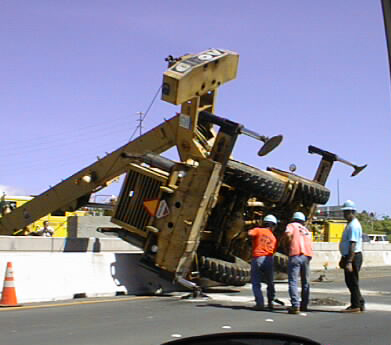
 For many years, there were only two positions where mobile crane outriggers could be used for applications of crane ratings:
- All outriggers fully deployed and set.
- Outriggers not deployed or set.
However, modern cranes have changed dramatically and this includes how their outriggers can be configured. To make sure we are on the same path: never has any crane manufacturer approved “on outrigger” ratings when all outriggers were not EQUALLY deployed and set to specification. No manufacturer ever allowed only one, two, or three of four outriggers set at any location to determine a crane’s safe rating. It was not uncommon, for an operator working in tight quarters to position outriggers at different locations in order to level the crane and to refer all lift capacities to the more conservative On-Rubber load chart. Seemingly the safe approach to ensuring that any loss of stability would be prevented by the outriggers being set, providing a little support regardless of their actual configuration. After all, the ratings being used were conservative for on-rubber lifts only, right? Wrong!
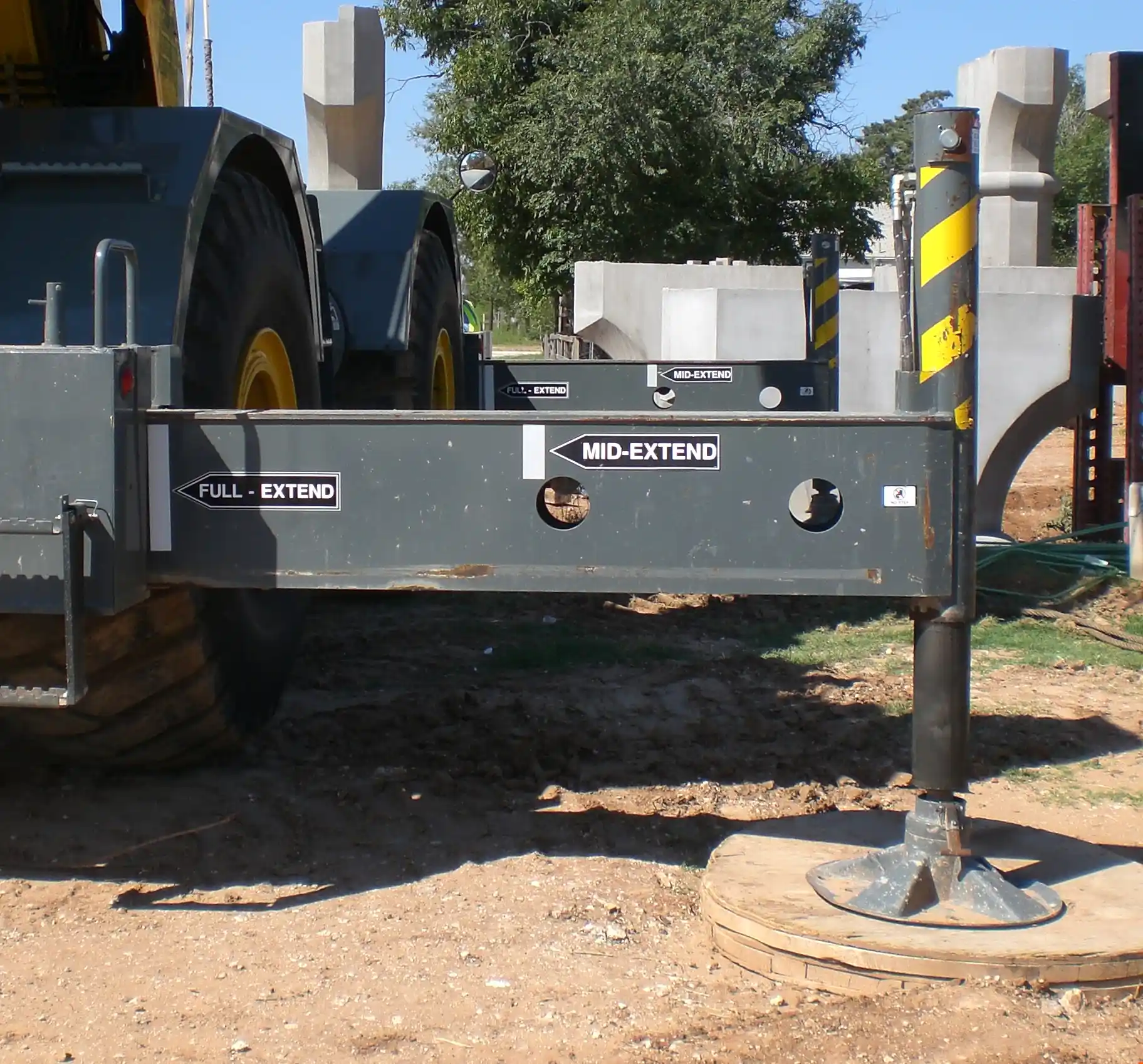 Most of today’s hydraulic cranes have multiple outrigger positioning. This means the outriggers have more than just the fully out and down positioning. Many crane’s outriggers may now be set to 0%-extension and down, 50%-extension and down, or 100%-extension and down, and each position has its own load chart and ratings. However it is key to note, that when the manufacturer allows this, the outriggers are only to be used when set EQUALLY. This is due to the way the outrigger beams and outrigger boxes are manufactured. In order to make cranes lighter while increasing their capacity, the beams and boxes are only braced in certain areas. The reinforcing plates, sometimes called “doublers,” are strategically placed to handle the stress only at the underpinned positions. Even when using the on-rubber ratings, if an outrigger is not set at the designated reinforced location, moving the load can, and often does, result in structural failure of the outrigger beam.
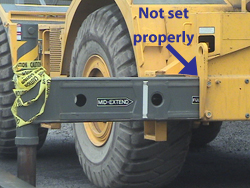 So what are you to do to help keep your crane upright? Spot set the crane set up and make sure your crane operators are aware of this structural limitation. Check the crane manual carefully and set up correctly for maximum safety. If you have questions, contact the supplier or manufacturer for clarification of outrigger positioning. Take the time to do it right the first time, because no one wants to see their crane tipped with a broken outrigger.