
 By the hundreds of likes/comments already received through various social media posts, everyone agrees that standing/working under a suspended load is a bad idea and should be avoided at all costs if possible—regardless if it meets the permitted “legal” criteria to do so. In the words of one reader, “lifting operations are inherently dangerous as we are always attempting to defeat gravity.” And we know that Murphy’s Law of “Anything that can go wrong, will go wrong.” is alive and well, it is only a matter of time.
Now that we have discussed the first (Safety Around Suspended Loads) and second (Safety Around Assembly/Disassembly) points identified in the request for information on “standing or working under suspended loads, especially while erecting and working with tower cranes,” this leaves us with the final question; Does crane type make a difference? Do the policies change for what is permissible when working under a load or erection/dismantling in a tower crane situation versus any other crane type?
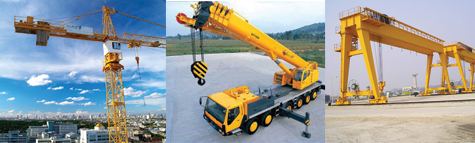
Here’s the answer: For the purposes of U.S. Federal OSHA construction regulations, a crane is a crane. Tower, mobile, overhead, gantry, etc. there really isn’t much difference for the parameters when used in construction—the same rules apply across any crane type used in the construction industry.
Managing Risks Regardless of Type
So, what are the comments and resounding sentiments on this topic from Crane Tech and other industry professionals world-wide? How can we better manage our risk regardless of crane type? Here are a few key takeaways:
- When it comes to the safety and location of personnel – don’t just stay clear of the load but stay out of the fall zone as well.
- Communicate! Communicate! Communicate! Use your shift meeting or tool box talk to do a Job Safety Analysis (JSA) regarding that days work/lifts.
- Determine lifts for the day and expected times to be performed.
- Establish the travel path required for the lifts of the day
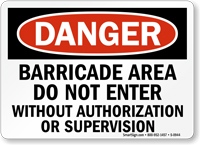 Mark boundaries/barricade work area to keep individuals out of the fall zone, then remove the barricades when work is complete (or else they just become extra clutter on the site and are ignored).
- Know who is expected to be working in the affected area and how many people should be there.
- Use an air horn and/or a radio-equipped runner to clear personnel out of the path prior to the lift. Upon completion of lift, sound all clear with the air horn again. Different horn blasts can be used for start, all cleared and finish/return to job.
- Don’t be afraid to use technology (i.e. cameras and drones) to see into areas that would otherwise place a person into the fall zone.
- Just because it has “always been done that way” doesn’t mean it is the only way. Don’t be afraid to stop work and think out side the box of what would be an alternative method to accomplish the task without getting under the load.
- While it would seem like there are some situations that can only be completed by being under load, the better and safer method would be to create a safe system of work to minimize the risk. This could include items such as:
- The use of cribbing/blocking that can support the total load or create a support structure/frame/stands for the load to rest upon when personnel have to be under the load, then it is no longer a suspended load.
- Creating rigging redundancies, or back up rigging. Remove the possibility of a single point failure as much as possible. Should the primary rigging fail, the secondary rigging will prevent a dropped load (however remember to calculate the redundant rigging in load weight calculations).
- Informing all those involved in the dangers and risks of being under the load.
- Keeping the work as brief as possible.
- Sounding horns to warn individuals prior to any movement.
- Work from the side instead of from under the load.
- Thoroughly inspect rigging and picking components prior to lifts.
- Check ground stabilization, outriggers and the crane’s level between lifts to help reduce possibility of failure related to stability.
- Make sure you have properly trained and experienced operators, qualified rigging personnel, and competent A/D Directors.
The Bottom Line
Back to our original question of “How do you work safely under suspended loads?”… The only way to work 100% safely under a load, is to NOT do it. If there is absolutely no other way, then do so CAREFULLY with potential redundancies and a contingency plan in place to minimize exposure. Check your equipment, set-up, rigging, credentials of the team working, etc. and proceed with caution.
At the end of the day – everyone who posted a comment agreed that life is precious and collectively we want to see everyone on the site from skilled workers to operators to the nearby innocent bystander make it home safely! Or to repeat a comment, “Work Safe, Go Home Safe!”
Thank you to all who commented on this series and provided your perspectives. It is through sharing of information that our collective knowledge base can grow. In the words of another reader, “We can never remove all risk with anything we do, however we can learn about potential hazards, which helps us manage our level of risk.”
If you have any questions related to the safety of your site, crane or training concerns, let us know! After all, Safety through Education is more than Crane Tech’s motto, it is our guiding principle.
P.S. If you would like to receive notifications automatically when Crane Tech shares a new blog post, please sign up for the Weekly Tagline e-newsletter.